
The Gambia may be the smallest country in mainland Africa, but it has produced a remarkable line of writers. This guide to 10 Gambian writers you should know runs from Lenrie Peters, the pioneer of Gambian literature, to today’s emerging voices.
Here Is My List of 10 Gambian Writers You Should Know.
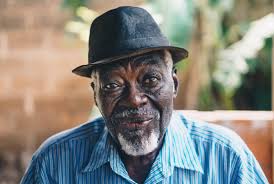
1. Lenrie Peters (1932–2009) – The Pioneer of Gambian Literature
Lenrie Peters, a Sierra Leonean-Gambian writer, poet, and surgeon, is best known for his only novel, The Second Round (1965).
This semi-autobiographical work explores the struggles of Dr Kawa, a Western-educated doctor who returns to Freetown to practice medicine, only to find himself caught between traditional African values and Western influence.
The novel captures the postcolonial dilemma faced by many West Africans during the era of nationalism, decolonisation, and cultural identity crises.
It juxtaposes the “black world versus the European”, embedding strong Pan-Africanist themes while exploring its characters’ psyches through Jungian psychology.
Critics have drawn comparisons between The Second Round and Chinua Achebe’s No Longer at Ease, both of which address the alienation experienced by Africans educated abroad. The book was part of the influential Heinemann African Writers Series, solidifying Peters’ place among key African literary figures.
Beyond fiction, Peters was a celebrated poet and intellectual who made profound contributions to Gambian and Sierra Leonean literature. His work remains essential for those interested in African identity, postcolonial struggles, and the intersection of tradition and modernity.
Reference: Thanks to Wikipedia

2. Nana Grey-Johnson – The Historical Novelist
Nana Grey-Johnson is a distinguished Gambian writer, journalist, and politician known for his sharp wit and social commentary.
His most acclaimed novel, The Magic Hat of Erubami, is a satirical take on a turbulent period in Gambian history marked by economic struggles.
The novel follows Erubami, a man struggling with unemployment and poverty amid instability and government corruption in Banjul.
As he struggles to make ends meet, he stumbles upon a legendary gnome whose magical hat is said to bring great fortune. Erubami steals the hat, leading to sudden wealth and political influence. However, his newfound success comes at a cost, triggering suspicion, misfortune, and ultimately, tragedy.
Grey-Johnson skillfully merges fantasy and reality, intertwining themes of power, greed, and superstition against an engaging political backdrop.
The novel presents a humorous yet critical perspective on Gambia’s socio-political landscape, making it a notable work in Gambian literature. In addition to his fictional work, Grey-Johnson has made significant contributions as a journalist and public servant.
His writings are essential for anyone interested in African storytelling, political satire, and the evolution of Gambian literature.
- The Magic Calabash was first published in 1998 by Vinasha Publishing.
Thanks to THE MODERN NOVEL for the information on Mr Johnson.

3. Tijan Sallah – A Leading Gambian Writer and Poet
Tijan Sallah, born in Serekunda, The Gambia, on March 6, 1958, is among the most celebrated Gambian writers and poets.
His work encompasses poetry, short stories, and literary criticism, and he has made significant contributions to African literature. Sallah’s early education exposed him to Islamic and Western scholarly traditions, shaping his unique storytelling style.
He published his first poem, The African Redeemer, during high school and later pursued higher education in the United States. While studying economics, he refined his craft at Berea College and Virginia Polytechnic Institute.
His literary career took off with the publication of When Africa Was a Young Woman (1980). Over the years, he has gained international recognition for his poetry collections, including Kora Land, Dream Kingdom, and I Come From a Country.
His works explore themes of identity, migration, culture, and the African experience, earning him worldwide critical acclaim. Beyond literature, Sallah built a successful career in economics, teaching at universities before joining the World Bank, where he works on agricultural development in Africa.
As a key figure in Gambian literature, he continues to influence through his poetry, anthologies, and essays. His biography of Chinua Achebe, Teacher of Light, further cements his place among Africa’s literary greats. Sallah’s contributions to African storytelling have shaped the landscape of Gambian literature, making him a notable name among famous Gambian writers.
Notable Work:
Dreams of Dusty Roads (1993)
I appreciate Wikipedia for providing comprehensive information.
My List of 10 Gambian Writers You Should Know Continues.

4. Sister Juana (Sally) Singhateh – A Voice for Women’s Rights and Literature
Sister Juana Singhateh is a Gambian writer, poet, and women’s rights advocate whose work encompasses fiction, journalism, and activism. Her writing highlights social issues, particularly those affecting women and youth in The Gambia.
Singhateh began her literary journey while interning at the Foundation for Research on Women’s Health, Productivity, and the Environment (BAFROW), where she published articles in The Voice of Young People Magazine.
Her poetry gained international recognition after she won the Merit International Poetry Award in 1995. Academically, she earned a Bachelor of Arts in Communication and later pursued a Master of Arts in Contemporary Literature at the University of Wales, Swansea. She has worked extensively in public relations, first at BAFROW, where she campaigned against female genital cutting, and later at UNESCO’s Gambian office in 2009.
Published Works:
- Christie’s Crises (1988)
- Baby Trouble (Nairobi)
- The Sun Will Soon Shine (London: Athena Press, 2004)
Singhateh’s novels explore women’s struggles, resilience, and societal expectations, cementing her as a significant feminist literary voice in Gambian literature.

5. Ebrima “Ebou” Dibba – A Pioneer of Gambian Literature
Ebrima “Ebou” Dibba was a trailblazing Gambian author whose stories were set in The Gambia, making him the first Gambian writer to do so. Born in Bathurst (now Banjul), Dibba grew up in his mother’s Wolof culture, with Mandinka roots on his father’s side.
An exceptionally bright student, he was the first Gambian to earn three A-levels. He won a scholarship to the University of Cardiff in the late 1960s. He studied French classical literature, took a year off teaching in Toulon, France, and earned an M.A. from King’s College London. Dibba dedicated much
of his life to education and social work in the UK, where he directed an adult education centre in Surrey for nearly two decades. In 1993, he was honoured with an MBE (Member of the Order of the British Empire).
Dibba passed away in 2000 at age 57, leaving a lasting literary legacy.
Literary Contributions:
Dibba’s writing is renowned for its vivid portrayal of Gambian life and history. His debut novella for young adults, Olu and the Smugglers (1980), was followed by his widely acclaimed first novel, Chaff on the Wind (1986), a moving story set in 1930s Gambia, just before World War II.
His second novel, Fafa (1989), continues the story of characters from Chaff on the Wind. His final book, Alhaji (1992), further cemented his place in African literature. Dibba’s legacy lives on as a pioneering figure in Gambian literature, whose novels brought Gambian history, culture, and storytelling to the global stage.

6. Assan Sarr – The Historian-Writer
Assan Sarr masterfully blends academic research and storytelling to explore the history of The Gambia and colonial resistance. His work explores the politics of land control, power structures, and historical narratives that have shaped The Gambia over the centuries.
Notable Work:
Islam, Power, and Dependency in the Gambia River Basin (2016) – A groundbreaking study on land control and power struggles (1790–1940).
In this illuminating book, Sarr examines the land’s political, cultural, and spiritual significance in the Gambia River Basin.
His explorations shaped land ownership, emphasising the deep connections between Islam, power, and economic dependency. His research provides valuable insights into historical resistance movements and governance in pre- and postcolonial Gambia.
Access the book: Cambridge University Press. Sarr’s work is essential for those interested in West African history, colonial resistance, and land politics. It offers a compelling narrative backed by rigorous academic research.

7. Mariama Khan – The Filmmaker, Poet, and Scholar
Mariama Khan is a Gambian filmmaker, poet, cultural activist, and scholar known for her powerful storytelling and exploration of African history, justice, and identity. She teaches African Civilisation and Women in African Society at Lehman College in New York.
Life & Career:
- Born: 1977, Brikama New Town, The Gambia
- Education: Brandeis University (Documentary Filmmaking under Henry Felt)
- Filmmaking: Khan began producing short documentary films in 2008–2009, using film to highlight social justice, human rights, and regional integration.
She has held high-level positions in The Gambia’s civil service, including Director of the Policy Analysis Unit in the Office of the President, Secretary-General of the Civil Service (appointed by President Yahya Jammeh in 2010), and Permanent Secretary at the Personnel Management Office. In 2018, she wrote a public letter to President Adama Barrow, defending ASP Musa Fatty, a police officer accused after the Faraba Banta anti-pollution protest deaths.
Books:
- Futa Toro: Poetry (2003)
- Juffureh: Kissing You with Hurting Lips (2004) (with Bamba Khan)
- Proverbs of the Senegambia (with Bamba Khan)
- The Gambia-Senegal Border: Issues in Regional Integration (Routledge, 2019)
Films:
- Sutura: Rape and Justice in Senegal (UNFPA Award-Winning)
- The Journey Up The Hill (Premiered at Cinekambiya International Film Festival, 2016)
Khan’s poetry, films, and scholarship deeply reflect on African identity, justice, and regional politics, making her one of The Gambia’s most influential cultural voices.
Here Is More From My List of 10 Gambian Writers You Should Know.

8. Modou Lamin Age-Almusaf Sowe – The Writer and Literary Advocate
Modou Lamin Age-Almusaf Sowe is a Gambian-born writer and literary advocate who has made a significant mark in the literary scene.
He is the author of several books, including The Voice of the Pen
Don’t Judge The Book By The Cover: Don’t Judge The Book By Its Cover
The Throne of the Ghost. His work often explores themes of culture, tradition, and social change in The Gambia.
As the founder of the Gambian Writers’ Association, Sowe has played a vital role in promoting and supporting emerging writers in the country.
 9. Lamin O. Sanneh – The great Gambian Theologian Writer
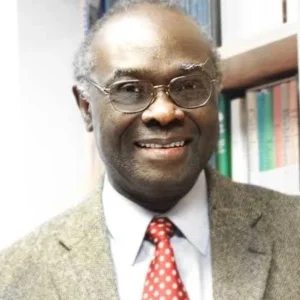 9. Lamin O. Sanneh – The great Gambian Theologian Writer
He authored many important books, including:
Translating the Message, Whose Religion Is Christianity?, and Disciples of All Nations.

10. Lamin Ceesay – The Emerging Voice
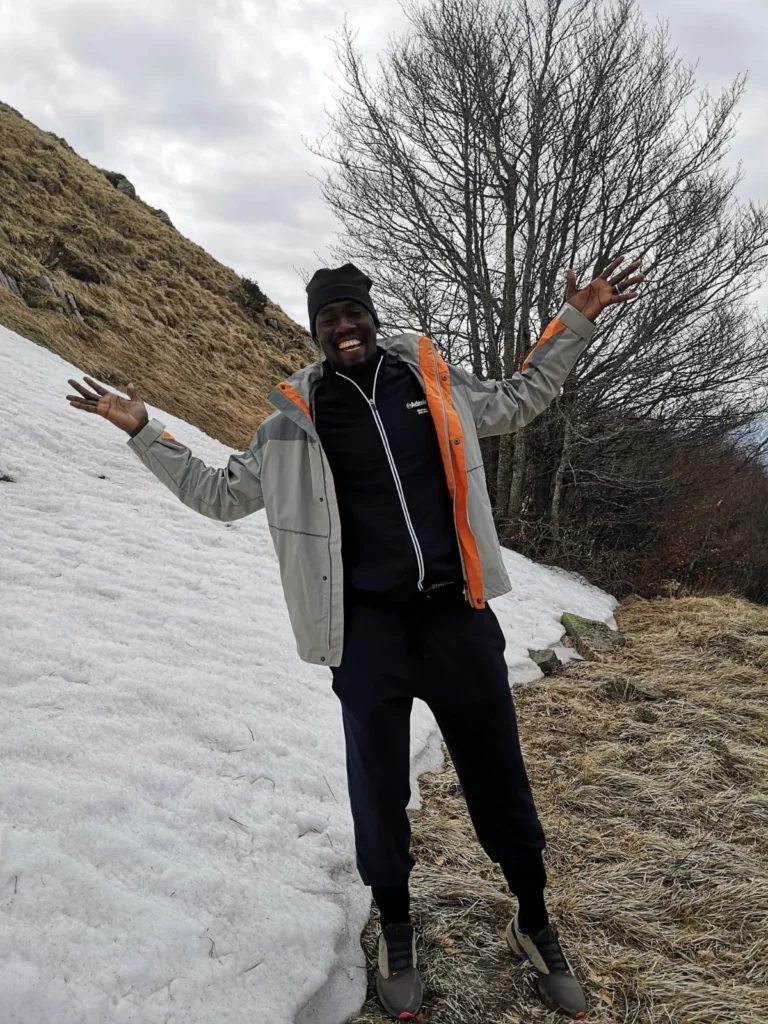
As the author of this list, it is only right to include my own work. I am an emerging Gambian writer, and storytelling is how I make sense of migration, identity, and the African experience. My books so far:
- Il Deserto Non Ha Cielo (in Italian), my diary of crossing the Sahara.
- Five and Half Senses, a novel about a man who hears the talk of animals.
- The Little Book of Afrocanos, a spoken-word manifesto for Africa.
- A Letter to My Dead Friend from the Gambia, a memoir that laughs through grief.
- Lady Asta’s Journey to the Wanjalankos, a Gambian folktale of friendship and courage.
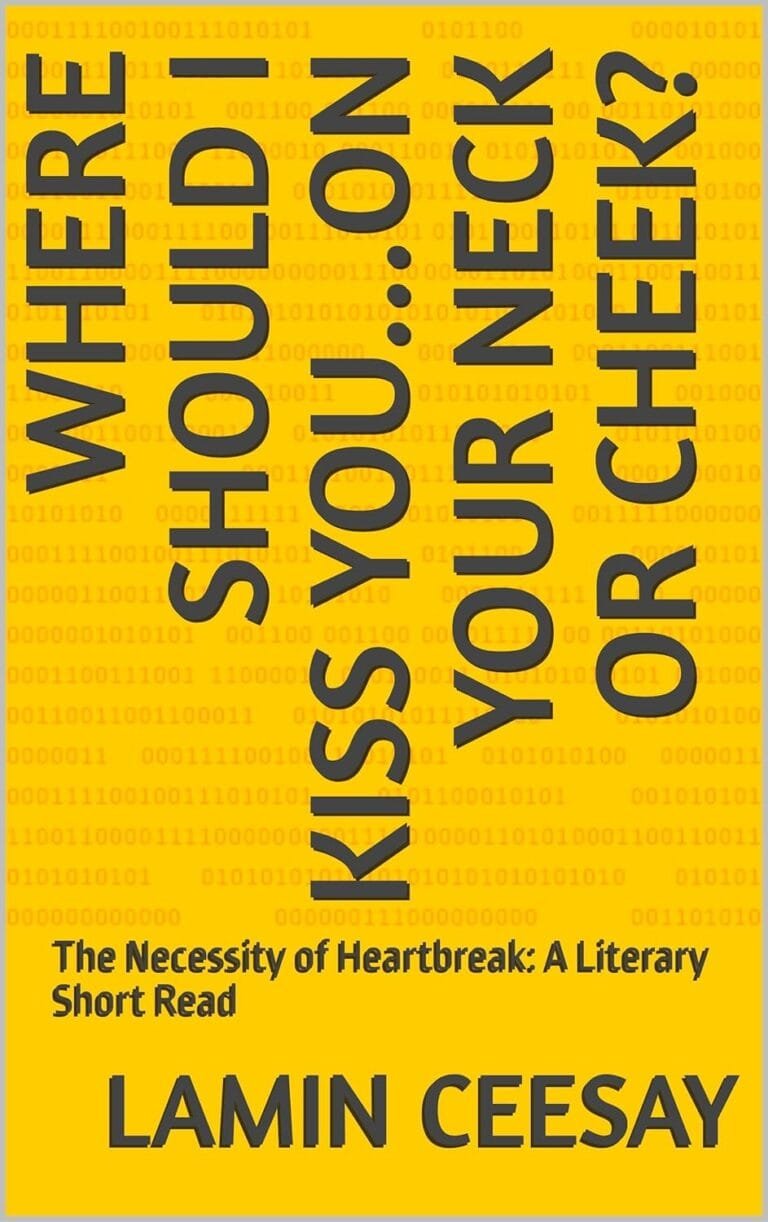
- Where Should I Kiss You… On Your Neck or Cheek?, my latest short read.
- My Foolish Fantasies, my poetry collection, is forthcoming on August 25.
These stories explore migration, identity, and the African experience. I write to share personal stories and to open honest conversations about the triumphs and struggles of the Gambian people. Explore all my books here.
Frequently Asked Questions About Gambian Writers
Who is the most famous Gambian writer?
Lenrie Peters is widely called the pioneer of Gambian literature, best known for his novel The Second Round (1965). Tijan Sallah is among the most internationally celebrated Gambian poets.
Who was the first Gambian writer to set his stories in The Gambia?
Ebrima “Ebou” Dibba, whose novels such as Chaff on the Wind (1986) brought Gambian history and life to a global readership.
Are there contemporary Gambian writers to read today?
Yes. A new generation, including Modou Lamin Age-Almusaf Sowe and Lamin Ceesay, continues to shape Gambian literature.



5 Comments