
What’s the Problem in The Gambia Today? A Protest, A Warning, and A Youth Rising
Hi, this is Lamin. I’m a writer from The Gambia. This is not news commentary. It reflects an event in my country that says a lot about where we are and where we might be heading.
The Protest That Sparked This Conversation
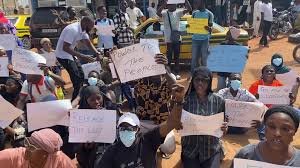
On May 9, 2025, protests broke out in Banjul. Most young people were angry about the sale of former President Yahya Jammeh’s assets. A local investigative report said the government sold those properties for less than they were worth. Consequently, a youth-led group called GALA (Gambians Against Looted Assets) organised a demonstration.
Instead of listening, the government responded with police. 27 people were arrested. Two journalists were taken too. Although they were later released, the message had been sent. And the message wasn’t just about land or money. It was, in fact, about trust.
For more news, check the Associated Press or the Washington Post coverage.
More Than One Protest: A Country Feeling the Heat
I think the protest is a real sign of something more profound. The Gambia’s population is about 60% youth. That’s a lot of energy and potential. However, when you look around, there is no space for most of them.
- There’s no real job market. Please read my blog about the migrant crisis, which explores the main reasons behind the migration of Gambian youth.
- There is no authentic voice in leadership
- Rising costs, poor infrastructure, and poor healthcare are commonplace
- We see promises of democracy, but little justice or fairness
The truth is, there’s a lot of unspoken anger. Some young people in Burkina Faso are watching Captain Ibrahim Traoré and, as a result, they are wondering, “Can we change things too?”
What Are Gambians Asking For?
The people want dignity. They want a country that works. Furthermore, we want to believe that corruption won’t always win. This protest, therefore, is not just about Jammeh’s land. It’s about the land we all stand on. In essence, it’s about asking:
- Why do things always stay the same?
- Why do we vote but feel voiceless?
- Why is it that in 2025, we still feel trapped?
Is Democracy Under Threat?
There’s a real risk now. When the police shut down protests and youth are arrested just for marching, it sends the wrong message. It tells people that democracy is acceptable as long as it remains silent. It also implies that youth can speak, but not too loudly. That’s not freedom. That’s control. And it’s dangerous.
A Country at a Crossroads
We’ve lived under a dictatorship before. We know what silence can cost. In fact, we now have something more open and free, which is still unfair.
Gambians today, especially the youth, are caught in a storm. They’re trying to build lives with no tools. At the same time, they are watching leaders talk while their families suffer. Tragically, they’re asking for hope—and getting handcuffs.
For a deeper understanding of the Gambian Perspective, please read my blog post: Exploring The Gambia: A New Perspective.
A Writer’s Perspective
As someone who’s written about migration, struggle, and freedom, I see something important in this moment. These youth aren’t burning the country down. Instead, they’re trying to revive it. The government should listen rather than react. That’s because this moment, if ignored, can grow into something bigger. And no one wants to go backwards in Gambia.
So, What’s the Problem in The Gambia Today?
It’s not just bad leadership. It’s not just corruption. It is, ultimately, disconnection. Between the people and the power. Between the youth and their future. Between the streets and the State House.
One Final Thought
This post is not anti-government. It’s pro-people. And it’s just one voice among many. But when a protest occurs, 27 are arrested, and nothing changes, then we must at least have the courage to discuss it.
This is Lamin Ceesay from The Gambia. And I’m paying attention.
For more on Youth and politics in Africa, please read my latest book, available on Amazon:
A Letter To My Dead Friend From The Gambia


Pingback: Migrant Crisis — Lamin Ceesay